
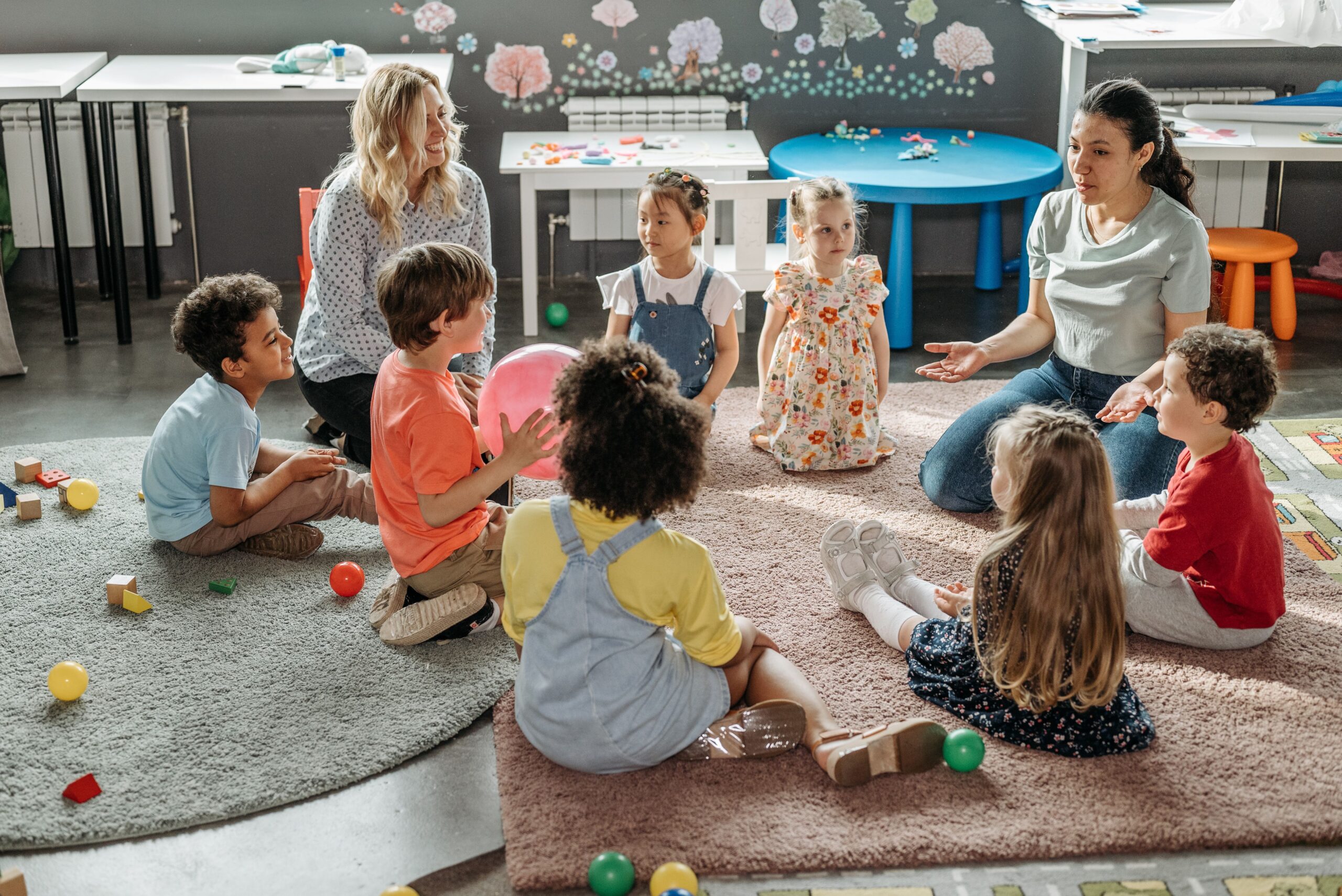
A teacher’s success has traditionally been measured by subject knowledge, lesson planning, classroom management, and student results. These qualities remain fundamental to effective teaching. However, today’s classrooms demand something equally important: emotional intelligence.
Students are growing up in a world shaped by rapid technological change, social pressures, mental health challenges, and diverse learning needs. They need teachers who can do more than explain concepts. They need educators who can recognise emotions, build trust, encourage resilience, and create classrooms where every learner feels valued.
Academic intelligence helps teachers deliver knowledge. Emotional intelligence helps them connect with learners.
As education continues to evolve, schools increasingly recognise that emotional intelligence is no longer an optional soft skill. It is a core professional competency. Programmes such as a Bachelor of Education in Educational Psychology are preparing future educators to understand both how students learn and how emotions influence that learning.
What Is Emotional Intelligence?
Emotional intelligence refers to the ability to recognise, understand, manage, and respond appropriately to emotions. It is about managing both your own and others’.
For teachers, emotional intelligence includes the ability to:
- Build positive relationships with students
- Communicate with empathy
- Manage classroom conflict calmly
- Recognise signs of emotional distress
- Encourage confidence and motivation
- Respond thoughtfully under pressure
- Foster a supportive learning environment
These abilities influence not only classroom behaviour but also student engagement, wellbeing, and academic success.
Why Today’s Classrooms Need Emotionally Intelligent Teachers
Modern classrooms are more diverse than ever before.
Teachers work with students from different cultural backgrounds, varying academic abilities, and unique social and emotional experiences. Some learners may face anxiety, family challenges, learning differences, or confidence issues that affect their ability to participate fully in class.
In these situations, academic expertise alone is not enough.
Students are more likely to learn effectively when they feel emotionally safe, respected, and understood. An emotionally intelligent teacher can recognise when a learner needs encouragement, reassurance, or simply someone who listens.
Creating this environment strengthens both learning and wellbeing.
Emotional Intelligence Improves Classroom Relationships
Strong teacher-student relationships are one of the most powerful influences on learning.
When students trust their teacher, they are more likely to:
- Ask questions confidently
- Participate in discussions
- Accept constructive feedback
- Take academic risks
- Stay motivated during challenges
Emotional intelligence helps teachers develop these relationships naturally.
Students who feel respected are often more willing to participate and persevere.
Managing Behaviour Through Understanding
Classroom behaviour is often viewed only through the lens of discipline. However, behaviour usually communicates something deeper.
A student who appears disruptive may be frustrated. A quiet learner may be struggling with anxiety. A child who avoids participation may fear making mistakes.
Emotionally intelligent teachers look beyond behaviour itself and consider its possible causes.
Instead of reacting immediately, they ask:
- What might this student be experiencing?
- How can I respond constructively?
- What support would help this learner succeed?
This approach promotes positive behaviour while preserving students’ dignity.
Helping Students Build Emotional Skills
Teachers influence far more than academic achievement.
Every classroom interaction teaches students how to:
- Handle disappointment
- Resolve disagreements
- Express emotions appropriately
- Show empathy
- Build resilience
- Collaborate respectfully
Emotional Intelligence Supports Inclusive Education
Inclusive education requires teachers to recognise and respond to diverse learner needs.
Students may differ in learning styles, communication preferences, cultural experiences, or emotional development.
Emotionally intelligent educators adapt their teaching accordingly. They understand that fairness does not always mean treating every learner identically.
Supporting Teacher Wellbeing
Teaching is both intellectually and emotionally demanding.
Educators regularly balance:
- Lesson preparation
- Assessment
- Parent communication
- Administrative responsibilities
- Student wellbeing
- Professional development
Without emotional awareness, these demands can contribute to stress and burnout.
Emotionally intelligent teachers are often better equipped to:
- Manage workplace pressure
- Set healthy professional boundaries
- Reflect constructively
- Seek support when needed
- Maintain positive working relationships
Developing Emotional Intelligence During Teacher Education
Like any professional skill, emotional intelligence can be developed.
Teacher education programmes increasingly integrate topics such as:
- Child and adolescent development
- Educational psychology
- Communication skills
- Inclusive education
- Classroom relationships
- Reflective practice
- Conflict resolution
- Behaviour management
A B.Ed. in Educational Psychology provides future teachers with deeper insight into how emotions influence learning, behaviour, motivation, and classroom interactions.
Understanding these connections enables educators to respond more effectively to the diverse needs of today’s learners.
Reflection Makes Better Teachers
Emotionally intelligent teachers regularly reflect on their own practice.
They ask themselves questions such as:
- Did every student feel included today?
- How did I respond to classroom challenges?
- Could I have communicated more effectively?
- What helped students engage most?
- How can I improve tomorrow?
Reflection encourages continuous professional growth. Rather than striving for perfection, emotionally intelligent educators remain committed to learning throughout their careers.
Why Schools Value Emotionally Intelligent Educators
Schools increasingly seek teachers who contribute positively to the wider learning community.
Emotionally intelligent educators often strengthen:
- Student wellbeing initiatives
- Parent partnerships
- Collaborative teaching teams
- Positive school culture
- Inclusive practices
- Leadership development
These qualities influence not only classroom learning but also the overall success of educational institutions.
As expectations for teachers continue evolving, emotional intelligence has become an essential component of professional excellence.
Preparing for the Future of Teaching
The future of education will continue to involve technology, artificial intelligence, personalised learning, and digital innovation.
Yet none of these developments reduces the importance of human connection. In fact, they make it even more valuable.
Technology can provide information. Teachers provide understanding. Artificial intelligence can personalise learning pathways. Teachers build confidence, empathy, and a sense of belonging.
These uniquely human qualities will remain central to education regardless of technological advancement.
Educators pursuing KHDA-approved teaching courses in Dubai are increasingly developing both pedagogical expertise and emotional intelligence to meet the expectations of modern classrooms and international schools.
Emotional Intelligence Is a Lifelong Teaching Skill
Unlike curriculum content, emotional intelligence remains relevant across every age group, subject area, and educational setting.
Whether teaching young children, adolescents, or adult learners, emotionally intelligent educators create learning environments where students feel supported, respected, and motivated to achieve their potential.
Academic knowledge may help students pass examinations.
Emotional intelligence helps them grow as individuals.
The most effective teachers understand that lasting education develops both the mind and the person.
Bottom Line
As classrooms become more diverse and learner needs continue to evolve, emotional intelligence is becoming just as essential as academic expertise. Teachers who can communicate with empathy, build meaningful relationships, manage challenges thoughtfully, and create emotionally safe learning environments are better equipped to support both student achievement and wellbeing.
A Bachelor of Education in Educational Psychology provides aspiring and practising educators with the knowledge and practical skills to understand the powerful connection between emotions and learning. Alongside specialised pathways, teachers are prepared to lead classrooms with confidence, compassion, and professionalism, qualities that will remain at the heart of effective education for years to come.